
Blog.
The latest digital marketing news, free guides and insights straight from Growthworx HQ.

A quick overview of A/B testing.
A/B testing is an experimentation method where you compare two versions of a webpage, app feature, or marketing message to see which performs better. In this 3 minute read we’ll see how it works.
Let's chat about A/B testing in lead generation. I was asked by a client about this a few days ago so thought it would be good to give you a simple take on what it’s all about,
A/B testing is a super handy technique that can really boost your marketing efforts and help you snag more qualified leads.
Sometimes called split testing, is like a scientific experiment for your marketing. Imagine you're baking cookies and can't decide between chocolate chips or raisins.
You'd make two batches and see which one your friends like better, right? That's basically A/B testing in a nutshell!
In lead generation, you're not baking cookies (though that sounds delicious). Instead, you're testing different versions of your marketing materials to see which one performs better at attracting potential customers.
This could be anything from your landing pages and email subject lines to ad copy and call-to-action buttons.
Here's how it works:
You create two versions of whatever you want to test.
We'll call them Version A and Version B (clever!).
The only difference between these versions should be the one element you're testing.
For example, if you're testing email subject lines, everything in the email should be identical except for the subject line.
Next, you split your audience into two random groups.
One group sees Version A, and the other sees Version B. Then, you sit back and watch the magic happen!
You'll track metrics like click-through rates, form submissions, or whatever is most relevant to your lead generation goals.
After your test has run for a while and gathered enough data, you compare the results. Did Version A get more clicks? Did Version B result in more form submissions?
The version that performs better becomes your new champion, and you can use that insight to improve your marketing going forward.
But here's the cool part – you're not done yet!
A/B testing isn't a one-and-done deal. It's an ongoing process of continuous improvement. Once you've found a winner, you can test that against a new challenger.
Maybe your blue "Sign Up" button beat the red one, but how would it fare against a green one? The possibilities are endless!
A/B testing is super powerful because it takes the guesswork out of marketing. Instead of relying on hunches or what worked for someone else, you're making data-driven decisions based on how your actual audience behaves.
t's like having a crystal ball that tells you exactly what your potential leads want!
Plus, even small improvements can make a big difference. If you can increase your conversion rate by just 1% through A/B testing, that could mean hundreds or thousands more leads over time. It's like compound interest for your marketing efforts!
Of course, there are some best practices to keep in mind. Make sure you're only testing one element at a time, or you won't know what caused the change in performance.
Also, be patient and let your tests run long enough to gather statistically significant data. And always be ethical – A/B testing should be about optimizing the user experience, not tricking people.
So there you have it – A/B testing in lead generation in a nutshell. It's a fantastic way to fine-tune your marketing, understand your audience better, and generate more leads.
Happy testing!
That’s all for now, thanks for reading.
Ollie

How to generate leads for your small business.
As a small business owner, generating consistent leads is crucial for growth and success. In this article we’ll look at some effective strategies to help you attract new potential customers.
Generating leads is the lifeblood of any small business. Without a steady flow of potential customers, even the most innovative products or exceptional services can fall flat. Fact. But how do you attract these leads without a massive marketing budget?
Let’s dive into some proven strategies that can help you generate leads effectively, even on a shoestring budget.
Here’s my top tips on what you need to do in order to start generating real leads, enquiries and bookings for your business.
Top tips
1. Understand Your Target Audience
Before you start any lead generation activities, it’s crucial to know who you’re trying to attract. Understanding your target audience means identifying their demographics, needs, pain points, and where they hang out online.
This knowledge will allow you to tailor your marketing efforts to reach the right people.
Action Step:
Create a detailed buyer persona. This fictional character represents your ideal customer, helping you to craft messages that resonate with your audience.
2. Leverage Content Marketing
Content marketing is a powerful tool for attracting potential customers. By creating valuable content that addresses your audience’s problems or interests, you can establish your business as a trusted authority in your industry.
Content can take many forms:
Blog posts that answer common questions.
Ebooks or guides that offer in-depth knowledge.
Videos that explain your product or service.
Infographics that simplify complex information.
Action Step:
Start a blog on your website and publish content regularly. Use SEO strategies to ensure your content ranks well on search engines, making it easier for potential leads to find you.
3. Utilise Social Media
Social media platforms are invaluable for generating leads, especially for small businesses. Platforms like Facebook, Instagram, LinkedIn, and Twitter allow you to engage with your audience, share content, and even run targeted ads to attract leads.
Action Step:
Choose the platforms where your target audience is most active. Post regularly, engage with your followers, and consider running paid ads to reach a broader audience.
4. Offer Value with Lead Magnets
A lead magnet is something of value that you offer to your website visitors in exchange for their contact information. This could be an ebook, a discount code, a free consultation, or a webinar. The key is to make sure your lead magnet is something your audience truly finds valuable.
Action Step:
Create a compelling lead magnet and promote it on your website, social media, and email campaigns. Use a simple form to capture visitors’ contact information.
5. Optimise Your Website for Lead Generation
Your website should be more than just a digital brochure—it should be a lead-generating machine. This means having clear calls-to-action (CTAs), easy navigation, and forms that are simple to fill out.
Action Step:
Add CTAs to every page of your website, encouraging visitors to take the next step, whether that’s downloading a resource, signing up for a newsletter, or scheduling a consultation.
6. Harness the Power of Email Marketing
Email marketing remains one of the most effective ways to generate leads and nurture them until they’re ready to buy. By sending valuable content directly to your subscribers’ inboxes, you can build relationships over time.
Action Step:
Create an email newsletter that offers valuable tips, updates, and exclusive offers. Segment your email list to tailor messages to different groups within your audience.
7. Network Online and Offline
Building relationships is key to generating leads, and networking can open doors to new opportunities. Whether it’s attending local events, joining industry-specific forums, or engaging in LinkedIn groups, putting yourself out there is crucial.
Action Step:
Schedule regular networking activities, both online and offline. Join local business groups, participate in trade shows, and engage with online communities related to your industry.
8. Run Targeted Advertising Campaigns
Paid advertising can be an effective way to generate leads quickly, especially when done strategically. Platforms like Google Ads and Facebook Ads allow you to target specific demographics, interests, and behaviors, ensuring your ads are seen by the right people.
Action Step:
Start with a small budget and test different ad formats and targeting options. Track your results and adjust your campaigns based on what’s working.
9. Leverage Referrals and Partnerships
Referrals and partnerships are often overlooked but can be powerful sources of leads. Encourage your satisfied customers to refer others to you, and consider partnering with complementary businesses to cross-promote each other’s services.
Action Step:
Implement a referral program that rewards customers for sending new leads your way. Reach out to businesses that serve the same target market and explore partnership opportunities.
10. Analyse and Optimise Your Efforts
Finally, it’s essential to track your lead generation efforts to understand what’s working and what isn’t. Use tools like Google Analytics, CRM software, and social media insights to monitor your progress.
Action Step:
Regularly review your metrics, such as website traffic, conversion rates, and the effectiveness of different lead generation tactics. Use this data to refine your strategy and improve your results over time.
To wrap up…
Generating leads for your small business doesn’t have to be overwhelming or expensive.
By understanding your audience, creating valuable content, leveraging social media, and using a variety of other strategies, you can build a steady stream of potential customers.
Remember, consistency is key—keep testing and refining your approach, and over time, you’ll see your efforts pay off.
Implement these strategies today and watch your small business grow!
That’s all for now, thanks for reading.
Ollie

A useful guide on SEO metrics for small business owners.
The success of a small business online hinges on more than just an appealing website or a catchy tagline—it requires a deep understanding of SEO metrics. In this comprehensive guide, we'll explore the essential SEO metrics that small business owners should monitor.
The success of a small business online hinges on more than just an appealing website or a catchy tagline - it requires an understanding of some pretty critical search engine optimisation (SEO) metrics.
These metrics are the key to unlocking insights into your online performance, enabling you to make informed, data-driven decisions rather than blindly guessing what to do next.
In this guide, I'll explore the essential SEO metrics that small business owners should monitor, delve into how to interpret the analytics data, and provide actionable steps for leveraging this information to enhance online performance.
Understanding Essential SEO Metrics
To effectively gauge the success of SEO strategies, it is vital to measure and analyse various SEO metrics. These metrics provide valuable insights into website performance, traffic, conversions, and more, enabling businesses to make data-driven decisions for continuous improvement.
1. Organic Traffic: The Foundation of SEO Success
What it is:
The number of visitors to your website through organic search results.
Why it matters:
Organic traffic reflects how well your website ranks on search engine results pages (SERPs). Monitoring this metric provides insight into the effectiveness of your SEO efforts.
2. Keyword Rankings: Unveiling Visibility
What it is:
The positions of your targeted keywords in search engine rankings.
Why it matters:
Keyword rankings indicate where your website stands in relation to competitors for specific terms. Tracking changes helps assess the impact of your SEO strategies.
3. Click-Through Rate (CTR): Turning Impressions into Clicks
What it is:
The percentage of users who click on your website link after seeing it in search results.
Why it matters:
A high CTR signifies that your content is compelling and relevant. Analyzing CTR can guide adjustments to meta titles and descriptions for better engagement.
4. Bounce Rate: Retaining Visitors
What it is:
The percentage of visitors who navigate away from your site after viewing only one page.
Why it matters:
A high bounce rate may indicate irrelevant content or a poor user experience. Addressing these issues can improve visitor retention.
5. Conversion Rate: From Visitors to Customers
What it is:
The percentage of website visitors who complete a desired action, such as making a purchase or filling out a contact form.
Why it matters:
A high conversion rate signals that your website effectively converts visitors into customers. Tracking this metric helps optimize conversion paths.
6. Page Load Speed: The Need for Speed
What it is:
The time it takes for a webpage to load completely.
Why it matters:
Search engines prioritise user experience, and page speed is a crucial factor. Faster-loading pages enhance both user satisfaction and SEO rankings.
7. Backlink Profile: Building Authority
What it is:
The number and quality of websites linking to your site.
Why it matters:
Backlinks are a vote of confidence from other sites. A strong backlink profile improves your website's authority and search engine credibility.
Interpreting Analytics Data
Interpreting analytics data is a crucial practice so you can make informed decisions and drive meaningful growth.
By analysing various metrics and patterns derived from user behavior, marketing campaigns, and website performance, you can gain valuable insights into your target audience, identify areas of improvement, and optimise your strategies.
Interpreting analytics data involves understanding key performance indicators, tracking conversions, examining traffic sources, and uncovering user engagement patterns.
By harnessing the power of analytics, you can then make data-driven decisions to propel their website forward and stay ahead of the competition in today's digital landscape.
1. Establishing Benchmarks: Setting the Baseline
Clearly outline your business goals and align them with specific metrics. This provides a benchmark for measuring success.
2. Comparative Analysis: Assessing Progress Over Time
Consistently monitor your SEO metrics to identify trends and patterns. This ongoing analysis helps you understand what is working and what needs adjustment.
3. Identifying Patterns and Anomalies: The Devil in the Details
Look for patterns in your data, such as seasonal fluctuations or correlations between specific marketing initiatives and changes in metrics.
Also, investigate unexpected changes and anomalies, as they can provide insights into external factors impacting your online performance.
4. Correlating Metrics: Understanding the Big Picture
Analyse how different metrics correlate with each other. For example, a rise in organic traffic should ideally correspond with improved keyword rankings.
The importance of making data-driven decisions
By relying on data rather than gut feelings or assumptions, you can reduce the risk of making costly mistakes and instead focus on strategies that are backed by evidence.
In an increasingly competitive marketplace, data-driven decision-making has become an essential tool for businesses looking to stay ahead of the curve and achieve long-term success.
1. Prioritise Based on Impact: Focusing Your Efforts
Pinpoint areas where improvements will have the most significant impact on your business goals.
2. A/B Testing: Experimenting for Optimisation
Conduct A/B tests to compare different elements (such as headlines, images, or call-to-action buttons) and analyze the impact on metrics.
3. Continuous Improvement: Iterating Based on Insights
Use analytics data to refine and iterate your SEO strategies continuously. Adapt to changes in the online landscape and consumer behavior.
4. Seek Professional Guidance: When in Doubt, Consult Experts
If interpreting data feels overwhelming, consider using a professional company. They can provide insights and strategies tailored to your business.
To wrap up…
The potential success of your small business online is intertwined with the mastery of SEO metrics.
By understanding, interpreting, and acting upon these essential data points, you can not only enhance your online performance but also pave the way for sustained growth and visibility in a very competitive space.
So embrace the power of data, and let it be the compass to guide your efforts towards long term search engine success.
That’s all for now, thanks for reading.
Ollie

Why local businesses benefit from local citations.
A term that holds significant weight for small businesses is "local citations”. In this comprehensive guide, we'll delve into what local citations are, why they matter for small businesses, and provide actionable steps for managing and building a robust citation profile.
One term that holds significant weight for small businesses is "local citations." I prefer to cal these simply ‘listings’ but let’s do this properly for now.
Citations are digital mentions of your business name, address, and phone number (known as NAP) across various online platforms and play a crucial role in shaping your local search presence.
In this comprehensive guide, I'll push into what local citations are, why they matter for small businesses, and provide actionable steps for managing and building a robust citation profile.
Understanding Local Citations
Local citations are references to your business information on external websites, online directories, social platforms and other online channels.
They typically include your business name, address, and phone number, forming the foundational elements of your online identity.
Here are the key types of Local Citations:
Major Data Aggregators: Platforms like Google My Business, Yelp, and Yellowpages act as data aggregators, distributing business information to various online directories.
Local Business Directories: These directories, both general and niche-specific, showcase businesses within a particular region or industry. Examples include Citysearch, Angie's List, and TripAdvisor.
Review Sites: Platforms like Yelp, Trustpilot and TripAdvisor not only host reviews but also serve as prominent citation sources.
Social Media Platforms: While not traditional directories, social media profiles with consistent business information contribute to your overall citation profile.
Why Local Citations Matter for Small Businesses
Local citations help small businesses get found and assist in generating more leads by you standing out in your local market.
This then attracts more potential customers and/or drives foot traffic to your physical location if you have one such as your shop, salon or restaurant.
Being listed in relevant directories and other sources of local citations also allows you to tap into your niche audience, generating quality leads and boosting conversions.
Therefore, by leveraging the power of local citations, you can enhance your online visibility, establish trustworthiness, and ultimately grow your customer base.
1. Boost Local Search Rankings
Search engines use local citations to verify the authenticity and credibility of a business. Consistent citations across multiple platforms signal to search engines that your business is legitimate, improving its chances of ranking higher in local searches.
2. Establish Trust and Credibility
Consistent and accurate information across various online platforms builds trust with potential customers. Inaccurate or conflicting information can erode trust and impact your business's reputation.
3. Improve Local Visibility
Local citations increase the likelihood of your business appearing in local search results and map listings. This heightened visibility is especially critical for small businesses targeting a local customer base.
4. Local SEO Signals
Search engines consider the quantity and quality of local citations as one of the factors influencing local search rankings. A strong citation profile enhances your business's overall SEO strategy.
5. Attract Local Customers
Potential customers often use online directories and search engines to find local businesses. A well optimised citation profile ensures that your business is easily discoverable when these customers are actively looking for products or services you offer.
Managing and Building a Strong Citation Profile
To effectively manage and build a citation profile without using a local seo consultant or agency you must first ensure that your NAP information is accurate and up to date on all platforms.
Remember - this stands for Name, Address and Phone number. It also quite often also inkcides a valuable link back to your own website.
Consistency is key, as any discrepancies can harm your local search rankings and credibility. Regularly monitoring and maintaining citations, both old and new, is equally important so make sure you are accrurate at the pint of creating your listing.
This involves actively seeking out new citation opportunities, submitting businesses to relevant local directories, and requesting reviews from satisfied customers.
Additionally, monitoring existing citations for inconsistencies or duplicate listings is essential to maintain a strong profile.
By actively managing and building a strong citation profile, businesses can improve their visibility, credibility, and ultimately attract new customers in the online marketplace.
Here’s some quick-tips on what you shoud do:
Audit Your Existing Citations
Begin by conducting a comprehensive audit of your current citation profile.
Identify inconsistencies, inaccuracies, or missing information.
This audit will serve as the foundation for your citation management strategy.
Claim and Optimize Google My Business
Google My Business (GMB) is a key player in local citations.
Claim and verify your GMB listing, ensuring that your business information is accurate, complete, and consistent with your other online citations.
Consistency is Key
Maintain consistency across all online platforms.
Ensure that your business name, address, and phone number are uniform across directories, your website, and social media profiles.
Choose Authoritative Directories
Focus on building citations on authoritative and relevant directories.
Industry-specific directories, local business associations, and prominent review sites can enhance the credibility of your citation profile.
Monitor and Update Regularly
The online landscape is dynamic, and information changes over time.
Regularly monitor your citation profile, updating any changes in your business details promptly.
This proactive approach ensures the accuracy of your information.
Acquire Positive Reviews
Encourage satisfied customers to leave positive reviews on platforms that serve as citation sources.
Positive reviews not only enhance your online reputation but also contribute to the overall strength of your citation profile.
Local Link Building
Build local links from reputable websites and collaborate with local businesses.
When other businesses or organizations reference and link to your website, it adds credibility to your citation profile.
Leverage Automated Tools
Utilise citation management tools such as brightlocal to streamline the process of monitoring and updating your citations.
These tools can help you identify inconsistencies and track your citation performance across various platforms.
To wrap up…
In conclusion, local citations are not just about listing your business online; they are a fundamental element of your small business's online presence.
A well-managed and robust citation profile enhances your local search rankings, builds trust with customers, and ensures that your business is easily discoverable by those in your community.
By understanding the importance of local citations and implementing proactive strategies for managing and building them, you can take a significant step toward establishing a strong and credible online presence in your local market.
That’s all for now, thanks for reading.
Ollie
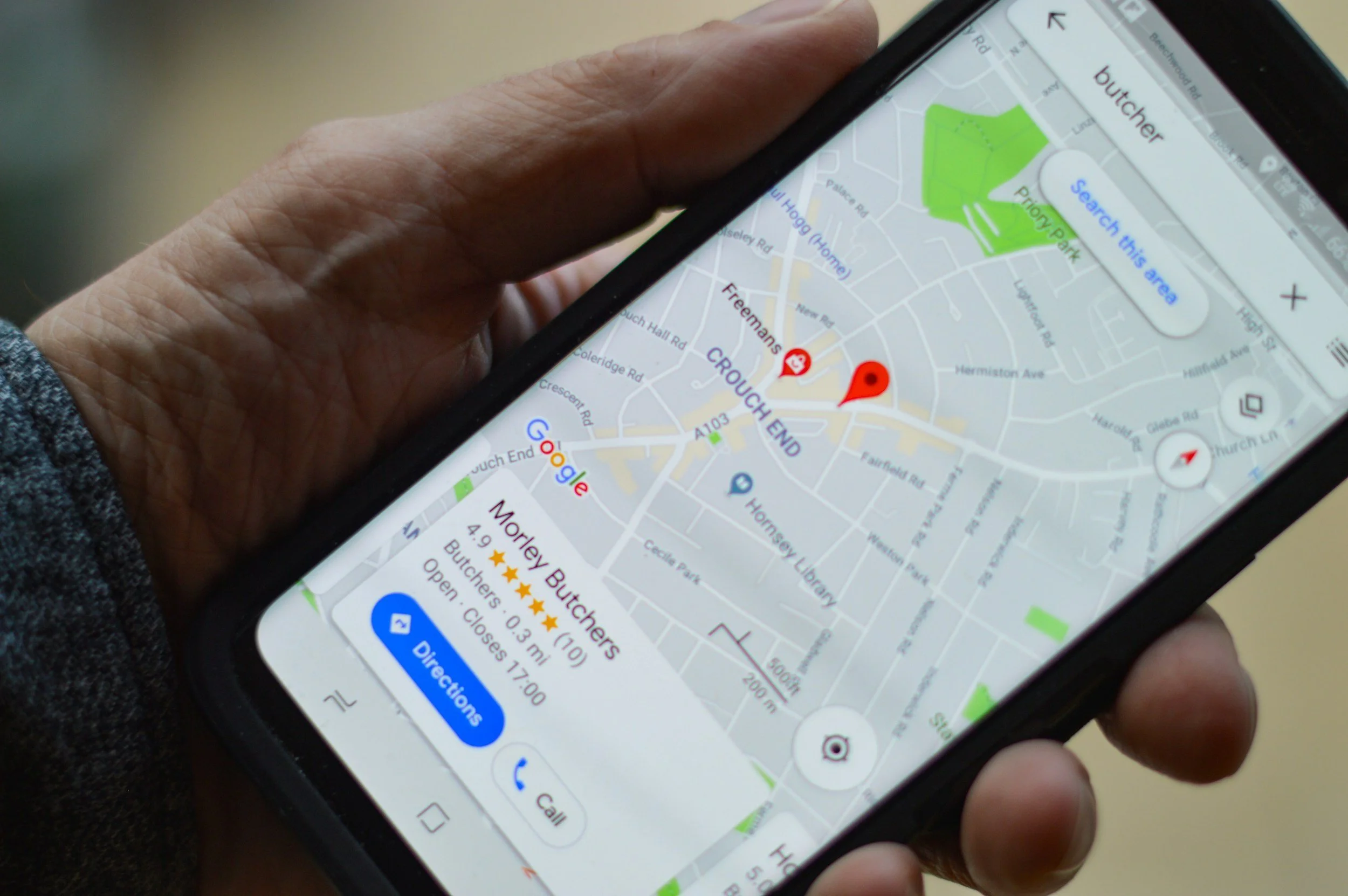
Top tactics on how to boost online visibility in your local area.
The power of local search engine optimisation (SEO) can be a game-changer for local businesses looking to make a significant impact within their community. In this article, we will delve into the world of local SEO tactics, offering actionable insights to help your business rise to the top in local searches.
From Leeds to London to Paris, in the vastness of the internet today it's easy for small businesses to feel like a needle in a haystack!
However, the power of local search engine optimisation (SEO) can be a game-changer for businesses looking to make a significant impact within their community.
In this article, I’ll delve into the world of local SEO tactics, offering actionable insights to help your business rise to the top in local searches.
Understanding the Importance of Local SEO
Local SEO is not just a buzzword; it's a critical strategy for businesses that rely on local customers.
Whether you operate a cozy café, a boutique shop, or a local service business, the majority of your customers are likely to come from your immediate vicinity.
This is where local SEO comes into play, ensuring that your business is easily discoverable by local residents searching for products or services you offer.
Here are a few key things you can get in place to help improve your search engine exposure locally:
1. Optimising Your Google My Business Profile
The first step in any local SEO strategy is to claim and optimise your Google Business profile.
Google is the go-to search engine for most users, and a well-optimised profile can significantly improve your visibility in local searches.
Make sure your business name, address, and phone number (NAP) are accurate and consistent across all online platforms.
Then enhance your listing by adding high-quality photos of your business, choosing relevant categories, and providing a detailed business description.
Lastly encourage satisfied customers to leave positive reviews, as these can boost your credibility and influence potential customers quietly in the background as they search for your products and serivces.
2. Local Keywords and On-Page Optimisation
Localising your website content is a crucial aspect of local SEO.
Conduct keyword research to identify terms and phrases that your local audience is likely to use when searching for businesses like yours.
Integrate these keywords naturally into your website's meta titles, descriptions, and content.
Also create location-specific landing pages to target different areas within your community.
These pages should provide valuable information about your products or services while incorporating local keywords.
This not only improves your chances of appearing in local searches but also enhances the user experience for visitors seeking localised information.
3. Building a Strong Local Citation Profile
Local citations, which are online mentions of your business's name, address, and phone number, play a pivotal role in local SEO.
Ensure that your business information is consistent across various online directories, review sites, and social platforms.
This consistency helps reinforce your business's legitimacy and trustworthiness in the eyes of search engines.
Ensure you take advantage of local business directories, industry-specific platforms, and community websites to build a diverse and authoritative citation profile.
Once done monitor your citations regularly and update any outdated information to maintain accuracy.
4. Mobile Optimisation for Local Searches
With the increasing use of mobile devices, optimising your website for mobile is no longer optional.
It's an absolute necessity!
Many local searches happen on smartphones and search engines prioritise mobile-friendly websites in their rankings.
Ensure that your website is responsive with a design that adapts seamlessly to different screen sizes.
Use a free tool such as Googles own page speed insights to test your website's loading speed on mobile devices and ask your website company or a professional third party expert to make necessary improvements to provide a smooth and user-friendly experience for on-the-go customers.
5. Local Link Building Strategies
Building a robust backlink profile is essential for any SEO strategy, and local businesses can benefit significantly from locally relevant links.
You can collaborate with other businesses in your community for mutually beneficial partnerships that include linking to each other's websites. Or maybe sponsor local events, sports teams, or community initiatives, and request a link back to your website in return.
Participate in local online forums, community discussions, and social media groups is also a great way to establish your business as an active and engaged member of the community.
When contributing to these platforms just include a link to your website in a natural and non-promotional manner wherever you can.
6. Tracking Success with Local SEO Analytics
To gauge the effectiveness of your local SEO efforts, it's crucial to track key metrics using analytics tools. Monitor the performance of your Google Business listing, website traffic and conversion rates from local searches.
Pay very close attention to customer reviews and address any concerns promptly to maintain a positive online reputation.
By regularly analysing these metrics, you can identify areas for improvement and refine your local SEO strategy over time.
This data-driven approach will help you ensure that your efforts align with the changing preferences and behaviors of your local audience.
7. Adapting quickly to Algorithm Changes
Search engine algorithms are constantly evolving, and staying ahead of the curve is also essential for long-term local SEO success.
Keep yourself informed about algorithm updates from major search engines (just grab my newsletter here) and be prepared to adapt your strategy accordingly.
You should alwasy focus on providing unique, valuable, relevant, and authoritative content that aligns with the intent of local search queries.
And finally always stay ethical in your SEO practices, avoiding any tactics that could result in penalties from search engines.
To wrap up…
In conclusion, local SEO is a powerful tool for small businesses seeking to establish a strong presence within their community.
By optimising your Google My Business profile, incorporating local keywords, building a solid citation profile, optimising for mobile, implementing local link building strategies, and analysing your performance with analytics, you can boost your visibility and attract local customers to your doorstep.
If you need assistance you can hire a local seo consultant to help but if you are doing it yourself then stay proactive, stay engaged with your community, and watch your business thrive in the local search landscape.
That’s all for now, thanks for reading.
Ollie

Technical SEO for beginners.
In this article, we will delve into the world of technical SEO, explore how it works, and provide you with a list of simple do-it-yourself (DIY) fixes to improve your website's performance.
Search Engine Optimisation (SEO) plays a vital role in driving organic traffic to websites. While content and backlinks often take center stage, it's crucial not to overlook the importance of technical SEO.
Technical SEO involves optimizing your website's infrastructure and code to enhance its visibility in search engine rankings.
In this article I will delve into the world of technical SEO, explore how it works, and provide you with a list of simple do-it-yourself (DIY) fixes to improve your website's performance.
What is Technical SEO?
Technical SEO focuses on improving the technical aspects of your website to make it more appealing to search engines. It ensures that search engines can effectively crawl and index your website, resulting in improved organic visibility.
Effective technical SEO involves several key factors, including website speed, mobile-friendliness, site architecture, URL structure, indexing, and much more.
By optimising these technical elements, you give search engines a clear understanding of your website's content, making it more likely to rank higher in search engine result pages (SERPs).
How Does Technical SEO Work?
Now that we understand the importance of technical SEO let's dive into how it works. Here are some fundamental aspects of technical SEO:
1. Website Speed Optimization
Website speed is a critical ranking factor. Visitors tend to abandon slow-loading websites, adversely affecting user experience.
To improve your website speed, compress images, minimize HTTP requests, use caching, and leverage content delivery networks (CDNs).
2. Mobile-Friendliness
With the majority of internet users accessing websites via mobile devices, search engines prioritise mobile-friendly websites.
Ensure your site utilizes responsive design, providing a seamless experience across different devices.
3. Site Architecture and URL Structure
Designing a logical, hierarchical site structure helps search engines understand the relationship between your webpages.
Create easily navigable categories and subcategories, and keep URLs concise, descriptive, and SEO-friendly.
4. XML Sitemap and Robots.txt
Creating an XML sitemap and a robots.txt file helps search engines crawl and index your webpages effectively.
XML sitemaps provide a roadmap of your website's pages, while robots.txt files guide search engine bots in understanding which pages to exclude from indexing.
5. Canonicalization and Redirects
Duplicate content can harm your SEO efforts. Implement canonical tags to specify the preferred version of a webpage, consolidating its ranking signals.
Additionally, set up proper redirects (301, 302, etc.) when moving or deleting pages to maintain link equity.
6. Structured Data Markup
Implementing structured data markup (commonly in the form of Schema.org) helps search engines understand specific types of information on your website.
This can lead to rich search results, attract higher click-through rates, and improve visibility.
7. HTTPS and Security
Switching your website from HTTP to HTTPS provides a secure connection, encrypts data transmission, and ensures user privacy.
Search engines prioritize secure websites, giving them a slight ranking advantage.
Here are some DIY Fixes for technical SEO
Now that you have a better understanding of what technical SEO entails, here are some simple DIY fixes to help optimize your website:
1. Optimise Image Sizes
Compress images using tools like Squoosh or TinyPNG to reduce file size without losing quality.
2. Enable Browser Caching
Leverage browser caching to store static files, reducing load time for returning visitors. Implement caching through plugins or code edits.
3. Use a Responsive Design
Ensure your website adapts seamlessly to different screen sizes and devices, providing a positive user experience.
4. Fix Broken Links
Regularly check for broken links using tools like Broken Link Checker or Google Search Console, and fix or redirect them.
5. Optimize Metadata
Craft compelling meta titles and descriptions, incorporating relevant keywords to attract visitors and improve click-through rates.
6. Improve Internal Linking
Create a logical internal linking structure to help search engines and users navigate your website easily.
7. Monitor and Improve Website Speed
Regularly test your website's speed using tools like Google PageSpeed Insights or GTmetrix. Address any identified issues, such as optimizing code, utilizing browser caching, or reducing server response time.
To wrap up…
Remember, technical SEO is an ongoing process.
Regularly monitor your website's performance, stay up to date with search engine algorithm changes, and adapt accordingly to maintain optimal technical SEO.
In conclusion, technical SEO is an essential component of any successful digital marketing strategy.
By implementing the right optimizations and utilizing the DIY fixes mentioned above, you can ensure your website is well-optimized for search engines, driving organic traffic and enhancing your online visibility.
That’s all for now, thanks for reading.
Ollie

How to optimise your Squarespace website content for search engines.
One of the key components of a successful SEO strategy is optimising content. In this article, we will explore the best practices and techniques to optimise your Squarespace website content for SEO.
Having a strong online presence is now crucial for the success of any business. Search Engine Optimization (SEO) plays a vital role in improving website visibility and driving organic traffic.
One of the key components of a successful SEO strategy is optimising content. In this article, we will explore the best practices and techniques to optimise content for SEO.
1. Conduct Keyword Research
The first step in optimising content for SEO is to conduct keyword research. Identify relevant keywords and phrases that your target audience is likely to search for.
Use tools like Google Keyword Planner, SEMrush, or Moz's Keyword Explorer to find high volume and low competition keywords.
Incorporate these keywords naturally throughout your content, including in the title, headings, meta tags, and body paragraphs.
2. Create High-Quality, Engaging Content
At the core of any successful SEO strategy is creating high-quality, engaging content. Search engines prioritize content that is valuable, informative, and relevant to the user's search intent.
Focus on creating content that addresses the needs and queries of your target audience.
Use a mix of text, images, videos, and infographics to make your content visually appealing.
Long-form content tends to perform better in search results, so aim for around 1,500 words per page.
3. Optimise On-Page Elements
Optimising on-page elements helps search engines understand your content better. Start with your page title, making sure it includes your target keyword.
Craft a compelling meta description that accurately summarises the content. Use heading tags (H1, H2, H3) to structure your content and include relevant keywords in these headings.
Incorporate internal and external links to provide additional value and improve navigation.
4. Optimise Images
Images are an essential part of any website, but they can also impact SEO. To optimize images, compress them to reduce file size and improve loading speed. Rename image files with descriptive keywords before uploading them.
Add alt text to provide context to search engines, as they cannot "see" images. Alt text should include relevant keywords and accurately describe the image content.
5. Implement Schema Markup
Schema markup, also known as structured data, helps search engines understand the context of your content. It provides additional information about your website, such as product details, ratings, reviews, and events.
Implementing schema markup can enhance your website's visibility in search results and improve organic click-through rates.
6. Optimise for Mobile Devices
With the majority of internet users accessing content through mobile devices, optimizing for mobile is more important than ever. Ensure your website is mobile-friendly by using responsive design.
Test your website's mobile-friendliness using Google's Mobile-Friendly Test. Optimize page load speed, as slow-loading pages can negatively affect user experience and SEO rankings.
7. Utilise Social Media
While social media signals are not direct ranking factors, they can indirectly impact SEO. Develop a strong social media presence to increase brand visibility and drive traffic to your website.
Share your optimised content on social media platforms, engage with your audience, and encourage social sharing. This can result in more backlinks and increased visibility in search engine results.
8. Regularly Update and Refresh Content
Search engines prefer fresh, relevant content. Regularly update and refresh your existing content by adding new information, updating statistics, or improving the formatting.
This signals to search engines that your website is active and provides value, leading to better rankings in search results.
9. Monitor and Analyse Performance
No SEO strategy is complete without monitoring and analyzing performance. Use tools like Google Analytics or Search Console to track organic traffic, keyword rankings, and user behavior on your website.
Analyze the data to identify trends, spot areas for improvement, and refine your SEO strategy accordingly.
To wrap up…
Optimising content for SEO is a critical task for any website owner or online marketer.
By conducting keyword research, creating high-quality content, optimizing on-page elements, and following best practices, you can improve your website's visibility and attract more organic traffic.
Remember to regularly update your content, monitor your performance, and adapt your strategy as needed to stay ahead in the ever-evolving world of SEO.
That’s all for now, thanks for reading.
Ollie

Does local SEO really get results?
Learn if local SEO really gets results and how it can help your business grow
In one word yes, local search engine optimisation (SEO) has emerged as a game-changer for local firms looking to enhance their online visibility within their local communities.
Let’s keep this one straight to the point, here's why:
1. Targeted Marketing
Local SEO allows businesses to target specific geographical areas, ensuring that their products or services are visible to potential customers in their vicinity.
This laser-focused approach helps attract highly qualified leads who are more likely to convert into paying customers.
2. Improved Search Engine Rankings
By optimising their online presence for local search queries, businesses significantly enhance their chances of appearing in the coveted top spots on search engine results pages.
With improved rankings, businesses experience increased organic traffic, awareness, and ultimately, higher conversions.
3. Increased Online Visibility
Local SEO entails optimising business listings on various directories, review platforms, and mapping services. This comprehensive approach ensures that potential customers can find businesses easily when searching for relevant products or services.
Increased online visibility equates to more exposure and a higher likelihood of getting noticed by potential customers.
4. Enhanced Trust and Credibility
Online customer reviews play a crucial role in building trust and credibility. Local SEO strategies focus on garnering positive reviews and managing online reputation by engaging with customers.
A business with a stellar online reputation is more likely to attract new customers and eclipses competitors in the local market.
5. Mobile-Friendly Approach
With the surge in mobile device usage, local SEO works hand-in-hand with mobile marketing strategies.
By optimising websites, business listings, and content for mobile users, businesses ensure their online presence is accessible and appealing to on-the-go consumers, who often rely on their devices to make purchase decisions.
6. Cost-Effective Marketing
Compared to traditional advertising methods, local SEO offers a cost-effective marketing solution for businesses of all sizes.
It’s focus on delivering targeted results minimizes wasted marketing spend, allowing businesses to allocate their resources efficiently and maximize their return on investment.
To wrap it up…
In conclusion, local SEO is a hugely powerful tool for businesses aiming to thrive in their local markets.
By employing targeted marketing tactics, enhancing online visibility, and building trust with customers, local SEO brings about tangible results that drive growth and success.
If you embrace local optimisation today you will reap the benefits of an optimised online presence in your local community going forward but you have to start to be in the game.
That’s all for now, thanks for reading.
Ollie

Is local seo a long term process or a one-time fix?
SEO can reap huge benefits for business websites and we uncover wether it’s a long-term process or a one-time fix.
Today where attention spans are fleeting and competition is fierce, businesses find themselves at the crossroads of traditional and online marketing strategies.
As the importance of local search engine optimization (SEO) continues to grow, an intriguing question arises: is it a long-term process or a one-time fix?
Local SEO, with its ability to connect businesses with customers searching for services or products within a specific geographic area, goes far beyond a single, transient solution.
Instead, it is a multifaceted strategy that involves continuous effort and adaptation.
While initial optimizations may result in noticeable improvements in search engine rankings and website visibility, etching a lasting imprint in the local digital landscape requires a comprehensive and ongoing SEO approach.
Consistently updating business listings, fine-tuning keywords, and crafting high-quality content are key components of maintaining a competitive edge.
To succeed in the local SEO realm, businesses must embrace the ever-changing complexities of search algorithms and customer preferences. A one-time SEO fix can indeed yield temporary benefits, but in the long run, it falls short of unlocking the full potential of local search marketing.
Building a solid foundation for online visibility demands a meticulous analysis of competition, target audience behavior, and industry trends.
This information lays the groundwork for a sustainable local SEO strategy that evolves over time. Regularly monitoring and adapting to shifts in search engine algorithms and consumer behavior ensures businesses remain relevant and competitive within their local markets.
Moreover, local SEO offers a range of long-term advantages for businesses. Establishing authority and credibility within the local community fosters trust, helping to cultivate lasting customer relationships.
Consistent visibility across search engines, directories, and social platforms builds brand recognition, which can translate into a loyal customer base.
As businesses strive to stay ahead of the digital curve, it becomes clear that local SEO is not a one-time fix but an enduring investment.
It requires patience, commitment, and a willingness to adapt in response to the ever-evolving digital landscape. By embracing the long-term potential of local SEO and consistently refining their online presence, businesses can conquer local markets, secure their digital footprint, and thrive in a competitive online world.
That’s all for now, thanks for reading.
Ollie

How long search engine optimisation takes to work.
In this short article we dive into the intricacies and untangle the factors that influence the timeline for SEO success.
The question of how long SEO takes to work is a common one and understandably so. When investing in search engine optimization (SEO) efforts, you naturally want to know when they can expect to see results.
While it would be convenient to provide a definitive timeline, the truth is that the impact of SEO varies based on a huge range of factors.
Generally, it's advised to give it at least three months to see results and three to six months before expecting significant results.
Let's dive into the intricacies and untangle the factors that influence the timeline for SEO success.
SEO is not an overnight miracle; it requires patience, perseverance, and strategic planning.
Various factors contribute to the duration it takes for SEO efforts to yield tangible results. Here are a few key considerations every astute marketer should keep in mind:
1. The Competitive Landscape
The intensity of competition within your industry can significantly impact the time it takes for SEO strategies to make their mark. If your niche is fiercely contested, expect a longer timeframe for noticeable results.
But fear not! Quality content, technical optimisation, and smart link-building can establish your brand as a frontrunner.
2. Website History and Authority
If you've recently launched a website or have limited online presence, building up credibility and authority takes time. Search engines evaluate the history and authority of a website when determining its ranking.
Building a solid foundation through high-quality content and genuine backlinks will gradually elevate your website's visibility.
3. Technical Optimisation
A technically sound website is the cornerstone of SEO success. Search engines favor well-optimized websites that offer exceptional user experiences.
Correcting technical issues, improving site speed, enhancing mobile responsiveness, and optimizing URL structures are essential steps that may take time, but the rewards are well worth the effort.
4. Content Strategy and Quality
Engaging content, infused with targeted keywords, lies at the heart of effective SEO. Creating informative, original, and well-structured content tailored to your audience's needs will establish your brand as an authority in your industry.
However, crafting exceptional content is an ongoing process, and it may take weeks or months until search engines recognise and reward your efforts.
5. Backlink Profile
Building a strong network of high-quality backlinks is a crucial element of SEO success. Earning backlinks from authoritative websites can boost your search engine rankings. However, acquiring quality backlinks is a gradual process that relies on creating remarkable content and fostering meaningful relationships in your industry.
To wrap up…
Understanding the dynamic nature of SEO and acknowledging the factors that influence its timeframe is vital. While timelines may vary, it generally takes around three to six months for SEO efforts to bear fruit.
However, it's essential to remember that SEO is a marathon, not a sprint, and ongoing optimization and adaptability are essential for lasting success.
That’s all for now, thanks for reading.
Ollie

Tips on increasing visibility through local seo strategies.
In this article, we explore some highly detailed and informative local SEO strategies that can help boost your visibility.
In today's competitive online marketplace, it's essential for businesses to implement effective SEO strategies to increase their visibility and reach their target audience. One such strategy that has proven to be highly effective is Local SEO.
By focusing on optimising your website for local searches, you can attract more local customers and improve your overall online presence.
In this article, we will explore some highly detailed and informative local SEO strategies that can help boost your visibility.
My top tips for increased local visiblity
1. Claim and Optimise Your Google My Business Listing
Google My Business (GMB) is a powerful tool that allows businesses to manage their online presence and be found on Google Maps. Claiming your GMB listing is the first step towards improving your visibility in local search results.
Ensure that your listing is accurate and up to date with your business information, including address, phone number, website, and business hours. Use relevant keywords in your business description and select the most appropriate categories that accurately reflect your products or services.
2. Localise Your Website's Content
To rank higher in local search results, it's important to optimize your website's content for local keywords. Incorporate location-specific keywords in your page titles, headings, meta descriptions, and throughout the content.
For example, if you run a bakery in Worcestershire, include phrases like "best bakery in Worcestershire" or "Worcestershire's top-rated bakery" in your content.
Create location-specific landing pages if you have multiple business locations. These pages should provide unique and relevant information about each location, such as address, contact details, and customer reviews.
Including a Google Map embed showing the location can also be helpful.
3. Build Citations and Local Directory Listings
Citations are mentions of your business name, address, and phone number (NAP) on other websites. Building citations in reputable local directories such as Yelp, Yellow Pages, and TripAdvisor can significantly boost your local search visibility.
Ensure that your NAP information is consistent across all directories, as inconsistent information can negatively impact your SEO efforts.
Apart from general directories, target industry-specific directories or local business associations. For example, if you're a wedding photographer, consider listing your business in wedding-related directories or local photography associations.
4. Encourage Customer Reviews
Customer reviews play a crucial role in local SEO. They not only help in building trust and credibility but also influence search engine rankings.
Encourage your satisfied customers to leave reviews on your GMB listing, as well as other relevant review platforms. Respond promptly and professionally to reviews, both positive and negative, to show that you value customer feedback.
5. Optimise for Mobile
With the increasing use of smartphones, optimizing your website for mobile is no longer optional. Mobile optimization is vital for local SEO, as it ensures a seamless user experience for on-the-go users searching for local businesses.
Make sure your website is mobile-friendly, loads quickly, and provides relevant information in a format that is easy to navigate on smaller screens.
6. Utilise Social Media for Local Engagement
Social media platforms are not only great for building brand awareness but also for engaging with the local community. Utilize platforms like Facebook, Instagram, and Twitter to share updates, promotions, and local events.
Engage with your followers by responding to their comments and messages promptly. By actively participating in local conversations, you can increase your brand visibility and attract more local customers.
To wrap up…
In conclusion, by implementing these local SEO strategies, you can significantly increase your visibility in local search results.
Optimising your Google My Business listing, localizing your website's content, building citations, encouraging customer reviews, optimizing for mobile, and utilizing social media are all essential steps towards improving your online presence and attracting more local customers.
Stay consistent, monitor your progress, and adjust your strategies as needed to achieve long-term success through local SEO.
That’s all for now, thanks for reading.
Ollie

Backlinks explained.
What exactly are backlinks and why are they so important? In this article, we will delve into the different types of backlinks and how they can significantly impact your website's SEO.
In the world of Search Engine Optimisation (SEO), backlinks play a crucial role in improving a website's visibility and ultimately driving organic traffic. But what exactly are backlinks, and why are they so important?
In this article, I will delve into the different types of backlinks and how they can significantly impact your website's SEO.
What Are Backlinks?
Simply put, backlinks are incoming links from other websites that direct users to your website. When a website links to your site, it is essentially endorsing your content and referring its users to explore further.
Backlinks are often considered as votes of confidence or popularity from the referring websites, telling search engines that your content is relevant and valuable.
Not all backlinks are created equal. Search engines consider various factors when evaluating the quality and relevance of a backlink.
Let's explore the different types of backlinks:
Natural Editorial Links
These are backlinks that occur naturally when other websites find your content beneficial and decide to link to it without any solicitation.
This type of backlink is highly valuable because it indicates that your content is considered informative and trustworthy.
Guest Blogging Links
Guest blogging involves writing and publishing articles on other websites in exchange for a backlink to your site.
When done properly, guest blogging can provide quality backlinks from authoritative websites within your niche, leveraging their existing audience and domain authority.
Directory Links
These backlinks come from online directories, which categorize and list websites based on relevant industries or topics. While some directories may have lost their impact in recent years, high-quality niche directories can still contribute to your website's overall SEO strategy.
Social Media Links
Backlinks obtained through social media platforms can indirectly impact your website's SEO. When you share your content on social media and it gets shared by others, it increases the chances of someone linking back to it.
Although these links are often "nofollow" links, they can still drive traffic to your site and generate social signals that search engines consider when ranking.
Resource Links
Resource links are obtained when other websites link to your informative and valuable resources, such as guides, tutorials, or research papers.
These backlinks are highly appreciated by search engines as they reflect your website's authority within a specific subject.
To wrap up…
Backlinks are a key element for imprvoing you website rankings on search engines. They provide validation and credibility to your content, signalling to search engines that your website is authoritative and that ti should be taken seriously.
By connecting your website to other reputable sites wth backlinks you increase the likelihood of organic traffic and higher search engine visibility as they act like digital endorsements, showing search engines that other websites trust and value your content.
By actively building quality backlinks, you can boost your website's SEO performance and by the ‘nature of the beast’ attract more visitors. So, don't underestimate the power and importance of backlinks in achieving online success.
That’s all for now, thanks for reading.
Ollie

Meta tags explained.
Learn more about Meta tags, those important snippets of code that provide information about a webpage to search engines and website visitors.
So what are meta tags then you ask? Well meta tags are snippets of code that provide information about a webpage to search engines and website visitors and they are placed within the HTML (code) of a web page and do not appear on the page itself.
These tags play a crucial role in helping search engines understand the content and context of a webpage, ultimately influencing its visibility in search engine rankings.
Here's why meta tags are important for SEO:
Title Tags
The title tag is one of the most critical meta tags. It defines the title of a webpage and appears as the clickable headline in search engine results.
An optimised title tag should be concise, accurately describe the content, and include relevant keywords.
A well-crafted title tag can significantly impact click-through rates and can help search engines understand the main topic of the page.
Meta Descriptions
Meta descriptions provide a brief summary of what a webpage is about. Although they are not used as an official ranking factor, they greatly influence click-through rates.
A well-written meta description that is compelling, relevant, and includes relevant keywords can entice users to click on the search result.
It is a golden opportunity to engage potential visitors and encourage them to visit the webpage.
Meta Keywords
In the past, meta keywords were used to indicate the main keywords associated with a webpage. However, search engines have largely disregarded this meta tag due to its excessive spamming.
Nowadays, search engines rely on other factors to determine keyword relevance.
As a result, it is no longer necessary to focus on meta keywords for SEO purposes.
Other Meta Tags
Other meta tags, such as viewport, author, and language, provide additional information about the webpage.
These tags may have limited impact on SEO, but they can enhance user experience and accessibility and as a complete package in my view that should always be taken into account.
To wrap up…
Having effective usage of meta tags can improve a website's visibility and click-through rates, resulting in increased organic traffic.
It is essential to optimise these tags accurately to provide concise and relevant information to search engines and users.
However, it's just as important to remember that meta tags alone cannot guarantee high rankings or traffic.
They are just one element of a comprehensive SEO strategy, which includes various other factors such as quality content, website structure, backlinks, and user experience.
If you can combine these elements you’ll provide a strong foundation for search engine optimisation and help secure more website visits.
That'‘s all for now, thanks for reading.
Ollie